From Active Business Owner to Passive Investor: The Smart Path Forward
Why Doubling Down on Your Craft Beats Trying to Do Everything Yourself
If you own a business (let’s say a construction business) you’ve probably heard all about passive income and cash flow. You know, that dream of having people pay you rent while you sit back and relax. Sounds great, right?
But here’s the reality check. There’s a big jump between running an active construction business and becoming a completely passive real estate investor. And honestly? Most people who try to do both end up doing everything not very well.
Let me share a better approach, one that I’ve seen work time and time again for business owners who want to build real wealth without burning themselves out.
You’ve Got a Great Trade—Double Down on It
Here’s the thing. You have a great trade and a great skill set. You can provide a lot of earnings and revenue from the people, the jobs, and the specific trade that you’re doing. That’s valuable. That’s your competitive advantage.
If you have the ability to earn several hundred thousand dollars or more from your construction business, you should go all in on it. Grow that business intentionally. And here’s a key mindset shift, grow it with the idea of selling, even if you never actually sell it.
Make Your Business Sellable (Even If You Don’t Plan to Sell)
Private equity is buying construction companies right now. But here’s what they’re not buying: companies where you are the only revenue source.
If your connections, your relationships, and your ability to get the job done is why and how your company makes revenue, that’s not sellable. You can’t sell that business to somebody because they don’t have you. It’s not transactional.
So you have to figure out ways to create a long-term, lasting revenue stream within that business. Build systems, develop your team, create processes that work without you being the linchpin. That’s how you create real enterprise value.
Stop Wasting Money on Trucks and Equipment to Avoid Taxes
Once you start generating serious profit, you need to get sharp about taxes. And I’m going to be blunt here, constantly buying equipment at the end of the year to bury profits and avoid taxes? That’s not the best strategy.
You don’t want to just buy trucks and crap perpetually, year after year. There’s a smarter way.
You can generate a lot of profit and then partner with groups that can deploy your capital and get you at least as much (if not more) write-off benefit through real estate depreciation. Plus, you’re actually building wealth instead of just accumulating more equipment that depreciates.
Deploy Capital with People You Actually Trust
Especially if you’re 40 or 50 years old by now, I recommend that you look to deploy capital regularly with groups that you can truly trust. And I mean one-to-one trust you know that if you invest in that company, you know the people behind it.
This is different from going into layers of Wall Street where you have no idea who’s actually managing your money. It seems to me that people who run construction-based businesses don’t like the fact that there’s so much unknown in the realm of investing in Wall Street. I get it. You’re used to being hands-on, knowing what’s happening, understanding the work.
So find somebody that’s close enough to you that you know them, you can feel like you’ve got full trust and full transparency. And critically they do something that you understand. Not some complicated financial instrument, but real assets producing real cash flow.
Why Trying to Do It All Yourself Backfires
Look, I’ve seen this play out over and over. Business owners want to try to do it all, run their construction company and also buy rental properties and manage them on the side.
What happens? They end up doing everything not very well. Their construction business suffers because they’re distracted. Their rental properties underperform because they don’t have the systems, the team, or the expertise to manage them properly.
It is a whole other business to do what we do and manage properties. It takes years to build the systems, develop the team, learn the markets, understand the operations. You’re better off doubling down on your particular craft, generating and growing that business to create the highest amount of income, and then deploying money where it’s trusted and you know it’s going to grow and produce cash flow.
The Strategic Partner Approach
Here’s what I’m really trying to do—open your eyes and your mind to the fact that there are ways to do this where you just double down on what you’re really good at, generate more income from your business, and then deploy capital in chunks to strategic partners.
These partners are going to do the investing and operations that you don’t do. They’ve built the machine. They’ve made the mistakes. They’ve put in the years. You get to leverage all of that without having to build it yourself from scratch.
What to Look For in a Strategic Partner
If you’re looking for deals and groups to partner with, here’s what you should be looking for:
A Complete Team and System
You want a group that has a complete team focused on management, improvement, and overall deal structure. Not just one person wearing all the hats, but a real operation with specialists in each area.
Track Record and Experience
Look for groups that have been grooming their machine for years, not months. We’re talking 10, 15, 20 years of experience. They should have people overseeing asset management, the loan side, interest rates, all the risk factors, when to sell, when to double down in a given market. That level of sophistication doesn’t happen overnight.
Personally Sourced Deals
The best deals aren’t coming from brokers listing them online where everyone and their brother is competing. Look for groups that personally source their deals in markets they know they can invest in for the long term.
Safety and Cash Flow Focus
You want some of the safest, most cash-flow-focused returns that are adjusted for inflation risk and everything else that goes with investing in cash-flow-producing real estate. Not speculative plays or appreciation gambles, but real income-producing assets.
Understanding the Fee Structure
Now, let’s talk about fees because this is important. A good operator is going to charge for their efforts. In our case, we take 20%. And I know what you’re thinking. (That sounds like a lot).
But here’s the reality: that’s cheap in comparison to what you’re going to spend doing it on your own. Think about all the mistakes you’re going to make. All the attention and time it’s going to take you away from running your own business. All the deals you’ll overpay for because you don’t have the experience to know better.
We offer a complete toolset, a white-glove service that handles everything from acquisition to management to eventual disposition. That 20% buys you decades of experience, a full team, established systems, and peace of mind.
What Kind of Returns Should You Expect?
If you’re looking for depreciation benefits and great cash returns with appreciation built in, you should be targeting 15 to 20% average returns. Our average is actually around 20%, but we’re now projecting more like 15% just to be really conservative on anything growth-oriented, because of where rents are going, we just don’t know for certain.
But here’s what you can count on: steady cash flow, significant tax benefits through depreciation, and long-term wealth building without having to become a full-time real estate operator yourself.
The Bottom Line: Stay in Your Lane and Win
Look, I get it. You’re a builder. You like being hands-on. You want to control things. Those are great qualities that have made you successful in your business.
But real wealth building isn’t about doing everything yourself, it’s about being strategic. It’s about recognizing where you add the most value and doubling down there, then partnering with trusted experts in areas outside your core competency.
Build your construction business into something valuable. Generate serious income. Get smart about taxes. Then deploy that capital with groups you trust who have already built the machine you’d otherwise spend years and make countless mistakes trying to build yourself.
That’s how you go from active business owner to building real, lasting passive income without burning yourself out or diluting your focus.
If You’re Ready to Explore This Path
If you’re looking at mobile home park deals specifically, we work with friends, family, and accredited investors. Our deals are personally sourced in markets we know we can invest in for the long term.
We’ve been honing this machine for almost 20 years now. We have really great sharp people running and putting capital together, overseeing asset management, managing the loan side, tracking interest rates, monitoring all the risk factors.
It doesn’t have to be us, but I highly recommend you find groups like us. Groups that have been doing this for decades, have built complete teams and systems, and can offer that white-glove service that lets you stay focused on what you do best while your capital works for you in safe, cash-flowing assets.
You’ve worked too hard building your business to waste your capital and energy trying to reinvent the wheel in real estate. Partner smart, stay focused, and build the wealth you deserve.
—
Disclaimer: This article reflects personal experience and opinions. It is not financial, tax, legal, or investment advice. Investment opportunities mentioned are for accredited investors only. Always consult with qualified professionals before making investment decisions.
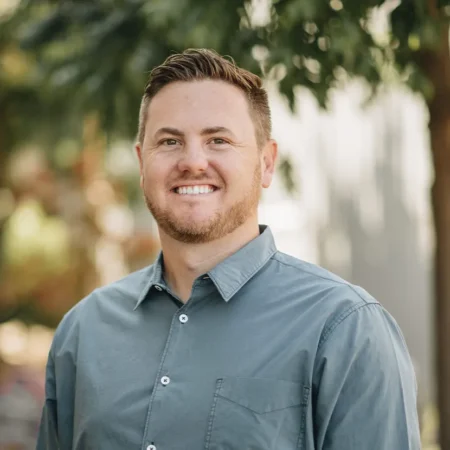
Blake Comfort
Blake Co-Founded Comfort Communities in 2008 and began working to acquire manufactured home communities in order to build the investment and management company that exists today. Comfort Communities first manufactured home community was purchased in 2009 and has continued to grow and purchase many more manufactured home communities ever since. Blake currently handles all the business development & acquisitions for Comfort Communities.